
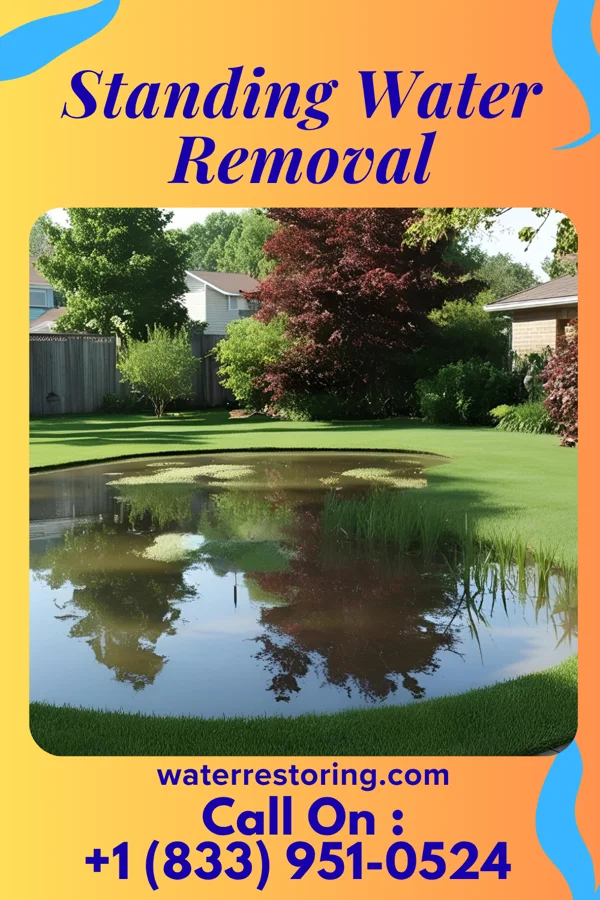
Duck Standing Water: What Owners Should Know
Residential or commercial, water damage emergencies in Duck keep coming back to the same drivers. In Duck, North Carolina, primary water damage often stems from storm surges and heavy rainfall during the hurricane season, which can lead to significant flooding in coastal properties. Additionally, high tides and coastal erosion contribute to recurrent water intrusion in homes and businesses. sits at the top of the list. A close second is Secondary causes include plumbing failures in older homes, leaks from broken appliances, and groundwater seepage due to the area's sandy soil. These issues are compounded by the region's frequent heavy rains and high humidity levels..
Duck's coastal location and proximity to the Atlantic Ocean make it highly susceptible to flooding, especially during the summer months when storm activity increases. The area's low elevation and frequent high tides further elevate the risk of water damage.
Water damage in Duck follows a few local patterns. In Duck, North Carolina, primary water damage often stems from storm surges and heavy rainfall during the hurricane season, which can lead to significant flooding in coastal properties. Additionally, high tides and coastal erosion contribute to recurrent water intrusion in homes and businesses. accounts for the bulk of our calls. Duck's coastal location and proximity to the Atlantic Ocean make it highly susceptible to flooding, especially during the summer months when storm activity increases. The area's low elevation and frequent high tides further elevate the risk of water damage. Mold growth in Duck can occur rapidly due to the high humidity and frequent rainfall, making it crucial to address water damage within 48 hours to prevent long-term structural and health issues.